
Cleaning That Meets SafeWork Standards.
Warehouses have specific workplace health and safety obligations. Our cleaning programs are built around them, not tacked on as an afterthought.
Dust & Particulate Control
Airborne dust in warehouses is a respiratory hazard and a fire risk. We use industrial vacuums with HEPA filtration, not just sweeping that redistributes the problem.
SafeWork WHS Reg 2017 Pt 3.2Slip Hazard Prevention
Oil spills, water pooling and debris on warehouse floors cause injuries. We identify and treat slip hazards during every clean and flag recurring problem areas.
AS/NZS 4586 Slip ResistanceAmenities Hygiene
Break rooms, kitchens and amenities blocks in warehouses have their own compliance standards. We clean them to the same standard as a commercial office, not as an afterthought.
WHS Reg 2017 Pt 3.1 Div 3Every Floor Type, Treated Right.
Warehouse floors take a beating from forklifts, foot traffic and spills. Each surface type needs a different approach.
Epoxy Coated
Common in food, pharma and clean-room warehouses. Requires pH-neutral cleaning to protect the coating.
Auto-Scrub + pH NeutralPolished Concrete
High-sheen finish used in showroom and display warehouses. Needs diamond-pad maintenance and non-abrasive products.
Diamond Pad + SealRaw Concrete
Standard warehouse flooring. Absorbs oil and dust. Requires degreasing, industrial vacuum and periodic sealing.
Degrease + HEPA VacuumAnti-Slip Coated
Used in wet areas and loading docks. Textured surface traps dirt. Needs pressure washing and specialist scrubbing.
Pressure Wash + ScrubEvery Area of Your Facility, Covered.
Each zone in your warehouse has different surfaces, hazards and cleaning requirements. We scope each one separately.
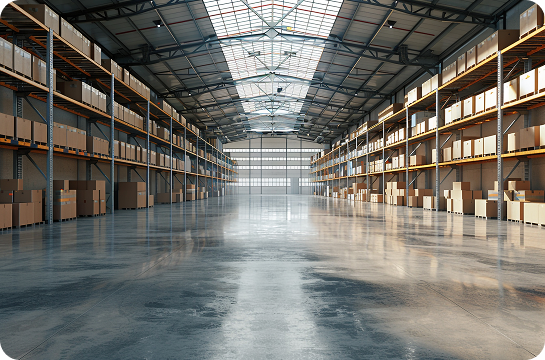
Storage Aisles & Racking
The core of your operation. Dust settles on racking, debris accumulates between aisles, and forklift traffic leaves marks and spills that become slip hazards.
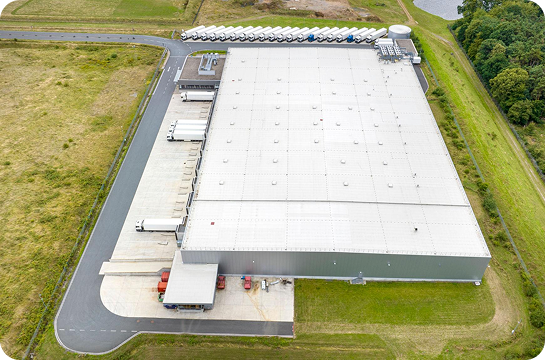
Loading Dock & Receiving
High-traffic, exposed to weather, oil and debris from trucks. The most neglected zone in most warehouses and the most visible to delivery drivers and visitors.
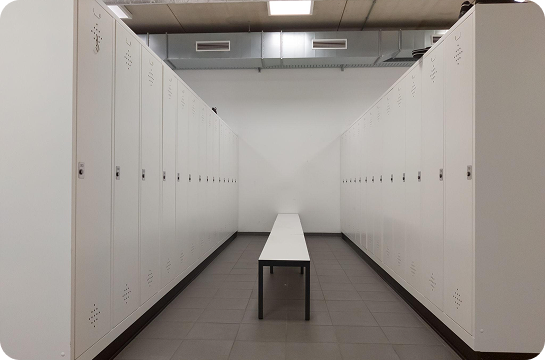
Amenities Block
Toilets, showers, lockers and hand-wash stations used by warehouse staff. These areas have specific WHS compliance requirements and are often under-serviced.
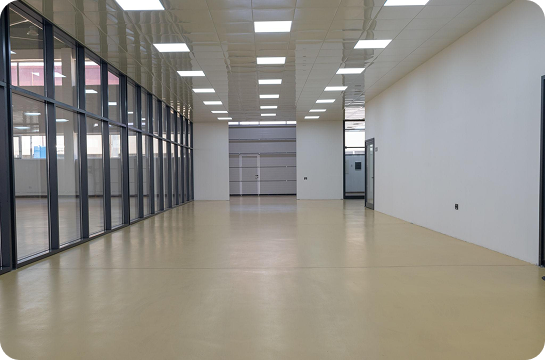
Office & Break Room
The warehouse office and break room often get lumped in with the main clean. We treat them as a separate zone with commercial office standards.
External & Yard Areas
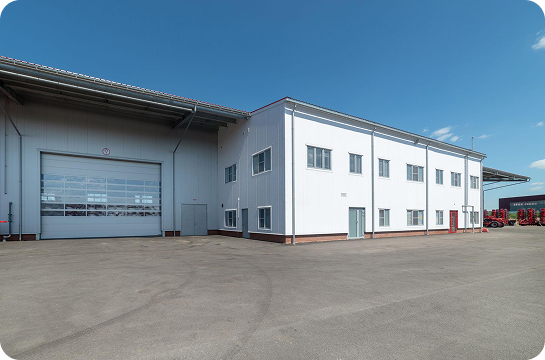
Car parks, bin bays, smoking areas and perimeter paths. These are the first thing visitors and inspectors see when they arrive.
How Often Does Your Warehouse Need Cleaning?
Not every task needs to happen daily. Here is a recommended frequency guide based on typical warehouse operations.
Exact frequencies are confirmed during the free site inspection based on your traffic volume and operation type.
Warehouse Cleaning Costs in Melbourne.
Pricing depends on floor area, floor type, zone count and cleaning frequency. Exact costs are confirmed after a free site inspection.
From Inspection to Clean Warehouse.
Four steps to a professionally managed warehouse cleaning program.
Free Site Inspection
We walk every zone, note floor types, dust levels, hazards and amenities requirements.
Zone-Based Quote
A detailed scope broken down by zone, frequency, equipment needs and specialist tasks.
Team Assigned
Your dedicated team is safety-briefed on your site and starts within 48 to 72 hours.
Ongoing Quality
Photo reports, zone checklists and direct WhatsApp communication. WHS-ready documentation every visit.
A Clean Warehouse Is a Safe Warehouse.
Get a free site inspection and a zone-by-zone quote. Most programs are operational within 72 hours.
What Warehouse Managers Say.
We passed our WHS audit for the first time in three years. The photo reports alone gave us the documentation we needed. Should have switched sooner.
Our floor was black with tyre marks and oil stains. After the first deep clean it looked like a different building. The weekly maintenance program keeps it that way.
Warehouse Cleaning FAQ.
Your Warehouse Deserves
More Than a Broom.
Book a free no-obligation site inspection. Most programs are operational within 72 hours of approval.